Free vs. Paid: The Best Marketing Strategies for Your New POD Store
Creating great designs isn’t just about being artistic. It’s about understanding your audience, following market trends, and combining creativity with strategy. In the competitive world of print on demand, a strong design can be the difference between a product that gets ignored and one that becomes a bestseller.
For print-on-demand sellers, design is the heart of the business. You do not hold inventory, manage production, or ship products yourself. What you mainly control is the idea, the message, the visual style, and how well the product connects with a specific customer group. That is why winning designs are never random. They are built with intention.
Why Design Matters in Print on Demand
Print on demand gives sellers the freedom to launch products quickly without large upfront costs. But because it is easy to start, the market is crowded. Thousands of sellers may be offering similar products on t-shirts, hoodies, mugs, tote bags, stickers, posters, and phone cases.
In this environment, customers do not choose products only because they need them. They choose products because they feel connected to the design. A good design can make someone laugh, feel proud, remember a moment, support a belief, or express their identity.
That emotional connection is what turns a simple product into something worth buying.
Start With a Clear Audience
Before creating any design, you need to know who you are designing for. A common mistake many sellers make is trying to create designs for everyone. But products made for everyone usually feel too general and fail to attract attention.
Instead, focus on a specific audience.
For example, instead of designing for “pet lovers,” you can design for dog moms, cat dads, golden retriever owners, rescue dog supporters, or people who love funny pet quotes. The more specific the audience, the easier it becomes to create a message that feels personal.
A strong audience gives your design direction. It helps you choose the right words, colors, illustration style, product type, and marketing angle.
Research Trends Without Copying
Trend research is important, but copying is dangerous. Successful print-on-demand sellers study trends to understand what customers are responding to. They do not directly copy existing designs.
Look at what types of products are popular in your niche. Pay attention to themes, phrases, color styles, seasonal demand, and customer reviews. Reviews can be especially useful because they show what people like, what they wish was better, and what emotional reason made them buy.
For example, if many customers are buying teacher-themed mugs, the trend may not only be “teacher gifts.” The deeper insight could be appreciation, humor, classroom pride, or end-of-year gifting. That insight can help you create something original while still staying relevant.
Focus on One Strong Idea
A winning design usually has one clear message. If you try to include too many words, graphics, icons, colors, or meanings, the design becomes confusing. Customers should understand the idea within a few seconds.
A simple design with a strong concept often performs better than a complicated design with no clear purpose.
Before finalizing a design, ask yourself:
Does the design communicate one clear idea?
Can the customer understand it quickly?
Does it feel connected to a specific audience?
Would someone feel proud, happy, or excited to use it?
If the answer is yes, the design has stronger selling potential.
Make the Product Feel Personal
People buy print-on-demand products because they feel personal. That is why niche-based designs often work well. Customers want products that say something about who they are, what they love, or what they believe in.
Personalization does not always mean adding a name. It can mean designing around identity, lifestyle, hobby, profession, relationship, or humor.
Examples include products for nurses, gamers, moms, dads, gym lovers, book readers, coffee lovers, students, entrepreneurs, or specific communities. When the customer feels like “this was made for me,” the design becomes much more powerful.

Balance Creativity With Readability
A design can be creative, but it still needs to be readable and practical. This is especially true for apparel and accessories. If the text is too small, the font is hard to read, or the colors do not stand out, the product may look weak in real life.
For text-based designs, font choice matters a lot. A bold and clean font works well for strong statements. A handwritten font can feel personal or playful. A serif font can feel premium or classic. But no matter what style you choose, readability should always come first.
Color contrast is also important. A beautiful design may fail if it does not stand out on the product color. Always check how the design looks on white, black, neutral, and colored products before publishing.
Design for the Product, Not Just the Artwork
A common mistake is creating artwork first and thinking about the product later. But a design that looks good on a screen may not work well on a t-shirt, mug, tote bag, or poster.
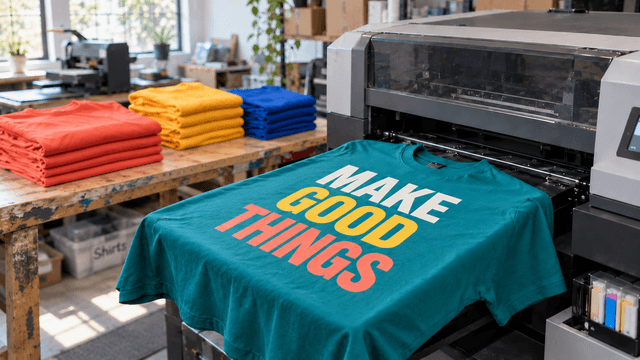
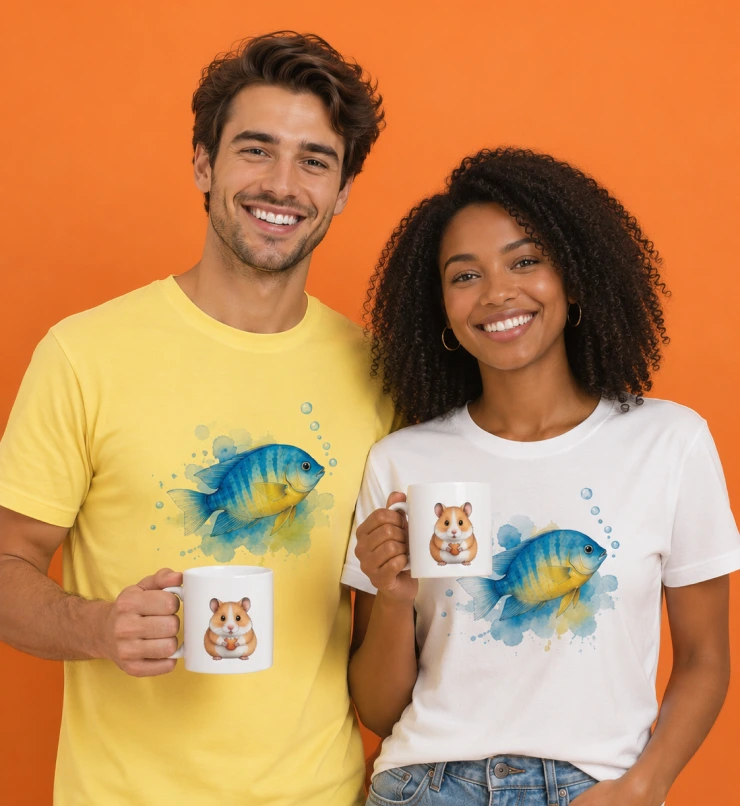
Each product has a different shape, size, and viewing distance. A t-shirt design needs to be visible from a few feet away. A mug design may need to work in a smaller horizontal space. A poster can include more detail because people view it closely.
When creating designs, think about where the artwork will be placed and how the customer will use the product. Good product-aware design feels natural, balanced, and professional.
Switch to Pengine.
We offer a fully managed migration service at no extra cost, including product transfer and setup support.